Blog ·
Design Your Garden to Welcome Pollinators and Wildlife
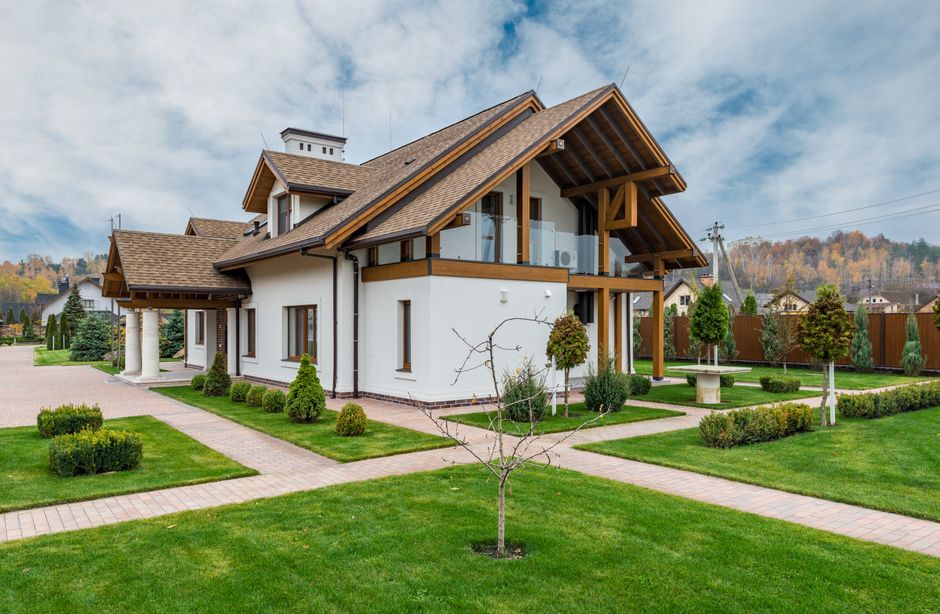
When you transform your outdoor spaces into living masterpieces, you create more than just beauty—you build habitats where pollinators and wildlife thrive. A garden designed thoughtfully becomes a dynamic ecosystem that supports bees, butterflies, hummingbirds, and countless creatures that keep our environment healthy.
Start with Native Plants
Native plants form the foundation of any pollinator-friendly landscape. Unlike exotic ornamentals, native species evolved alongside local insects and wildlife over thousands of years. They provide the nectar, pollen, and shelter these creatures need. Our garden design team can identify which native plants thrive in your climate and soil, creating beautiful combinations that attract monarchs, bumblebees, and beneficial insects throughout the growing season.
Create Layered Habitat
Layered planting is essential for wildlife. Design spaces with plants of varying heights—ground covers, shrubs, and tall perennials or trees. Each layer provides food, nesting sites, and shelter. Native trees and shrubs are particularly valuable, offering seeds for birds, cavities for nesting, and branches for resting. Our professional tree service specialists understand which species support wildlife while complementing your landscape design.
Add Water Features
Water sources matter more than most homeowners realize. A shallow basin with pebbles, a small pond, or birdbath provides drinking and bathing spots for birds, bees, and butterflies, creating visual interest while serving a practical purpose.
Rethink Your Lawn
Limiting lawn areas and letting portions grow wild offers surprising benefits. Consider meadow-like sections with native flowering plants instead of manicured grass everywhere. Our lawn care and maintenance services help you transition portions of your property while maintaining the areas you prefer groomed. These wilder sections become refuge for insects, nesting grounds for birds, and feeding areas for butterflies and moths.
Skip the Chemicals
Avoiding pesticides and synthetic fertilizers protects the entire food web. When you eliminate these chemicals, beneficial insects flourish, providing natural pest control while supporting pollinators.
Plan for Continuous Bloom
Select native plants with staggered flowering times to ensure pollinators have food from spring through fall. Early bloomers feed hungry insects emerging from winter dormancy, while late-season plants sustain them before cold months arrive.
Our landscape installation team brings these principles to life, creating spaces that are both gorgeous and ecologically valuable. We handle everything from soil preparation to final planting, ensuring your landscape establishes quickly.
A wildlife-friendly garden is deeply rewarding. Watch hummingbirds visit daily, observe caterpillars transform into butterflies, and enjoy the gentle buzzing of a healthy bee population. Let us help you design a landscape where the wild world thrives in your yard.